
What Causes Air Leaks in Compressed Air Systems (and How to Fix Them)
That subtle hissing sound you hear during your facility walk-through isn’t just background noise. It’s money escaping through compressed air leaks that can drain energy budgets and compromise system performance. For industrial professionals managing pneumatic systems, these persistent issues demand immediate attention and long-term prevention strategies.
Since 1971, AHE has tackled leak challenges across every type of industrial facility you can imagine. Our 55+ years of hands-on experience, from traditional fluid power applications to modern automation integration through AHE Automation, has taught us that successful air leak detection starts with understanding why these problems occur in the first place.
The Real Culprits Behind Compressed Air System Failures
Connection Points: Where Most Troubles Begin
Walk through any industrial facility and you’ll find the majority of air leaks in compressed air systems right at connection points. Thread sealant breaks down over time, especially in systems that see temperature swings throughout the day. Poor installation practices make things worse. Over-tighten a fitting and you’ll damage the threads. Under-tighten it and you’re asking for trouble.
Vibration kills connections slowly but surely. That constant mechanical stress gradually works fittings loose, creating leak paths that grow worse over time. Quick-connect couplers present their own challenges. They’re convenient for frequent disconnection, but their sealing mechanisms wear out with repeated use.
Components That Wear Out
Seals and gaskets don’t last forever. Normal operation takes its toll, but harsh environments speed up the process. Chemical exposure, temperature extremes, and contaminated air all shorten seal life. Pneumatic cylinders take a beating in high-cycle applications or dusty environments where airborne particles act like sandpaper on sealing surfaces.
Hoses develop problems through material fatigue. Constant pressure cycling combined with bending stress creates microscopic cracks that eventually become major compressed air leaks. Metal components corrode, creating surface irregularities that prevent proper sealing.
Installation Mistakes That Haunt Systems
Bad installation practices create problems that don’t show up until systems are running under full load. Contamination during assembly, inadequate thread engagement, and misaligned components all lead to premature failures. Cross-threaded fittings or damaged sealing surfaces during installation often require complete component replacement rather than simple repairs.
Environmental and Design Challenges
Temperature cycling stresses every component in your system. Materials expand and contract, putting seals and connections through constant stress cycles. Systems in environments with significant temperature variations need careful component selection and installation techniques that accommodate thermal movement.
Oversized compressed air systems create their own problems. Frequent cycling accelerates component wear. Poor pressure regulation leads to excessive system pressure that stresses seals and connections beyond their design limits.
Problem Areas That Need Extra Attention
Some system locations leak more than others. Filters, regulators, and lubricators contain multiple sealing surfaces and moving parts that need regular inspection. Actuated valves get worked hard in automated systems with high cycle rates, accelerating seal wear.
Connection points near vibrating equipment need extra attention. Mechanical stress accelerates fitting loosening and seal degradation. Areas exposed to extreme temperatures, chemicals, or moisture require more frequent inspection and potentially upgraded components.
Finding Leaks Before They Find Your Budget
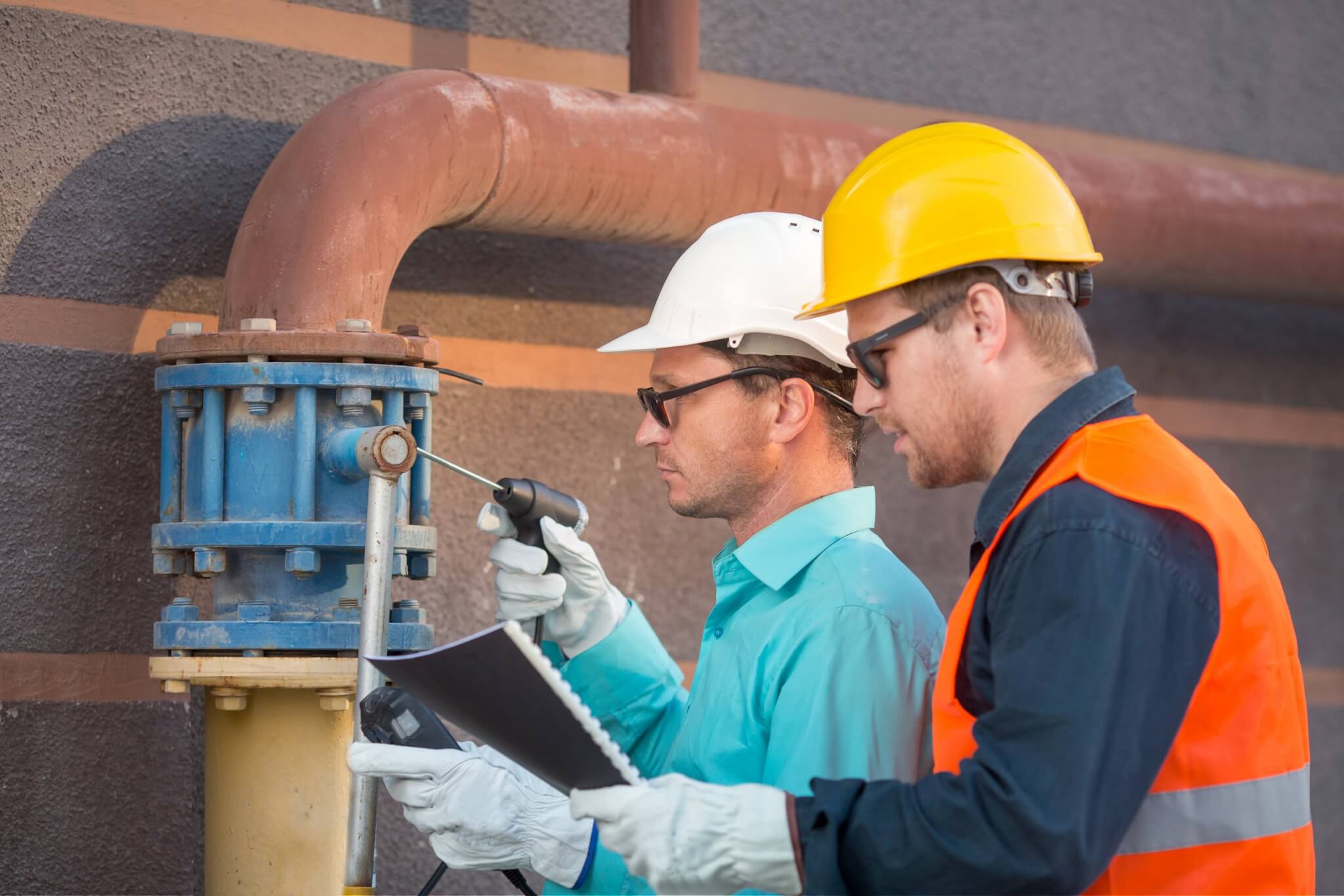
Traditional air leak detection methods still work. Soap solutions and audible inspection catch obvious problems during routine compressed air maintenance. But ultrasonic leak detectors identify leaks beyond human hearing range and provide quantitative measurements that help prioritize repairs.
Modern automation systems offer continuous monitoring capabilities. Today’s PLC and HMI systems can track air consumption patterns, pressure trends, and flow rates to identify developing leak conditions before they become critical. AHE Automation specializes in implementing these monitoring solutions as part of comprehensive system upgrades.
Repair Strategies That Actually Work
Effective pneumatic leak repair starts with proper diagnosis. You need to determine whether repair or replacement provides the best long-term solution. Simple connection leaks often respond to proper retightening with appropriate thread sealant application. But damaged threads or worn sealing surfaces typically need component replacement.
Replacement presents an opportunity for upgrades. Modern sealing technologies and materials offer improved performance and longevity compared to older components. Air compressors and related system components benefit from quality replacement parts that match or exceed original specifications.
Prevention Beats Repair Every Time
Regular inspection schedules prevent minor issues from becoming major compressed air leaks. Document leak locations and repair history to identify patterns that indicate systemic issues requiring design modifications or component upgrades.
Proper installation procedures make a difference. Correct torque specifications and contamination prevention significantly reduce future leak potential. Training maintenance personnel on leak prevention best practices ensures consistent application of proper techniques across your facility.
Smart Systems for Modern Facilities
Today’s industrial air systems increasingly integrate pneumatic systems with broader automation networks. Smart sensors and monitoring systems provide real-time leak detection while collecting data for predictive maintenance programs. These systems automatically adjust operating parameters to minimize leak impact while scheduling appropriate maintenance interventions.
AHE Automation brings expertise in connecting traditional pneumatic systems with modern control platforms, enabling comprehensive facility monitoring and management capabilities.
Getting Expert Help When You Need It
Complex leak management challenges often require experienced technical partnerships. AHE’s evolution from traditional industrial supply to comprehensive automation solutions positions us to address both immediate repair needs and long-term system optimization opportunities.
Our technical team provides system assessment, component selection guidance, and integration support for facilities seeking to improve their compressed air efficiency and reliability.
Common Questions About Compressed Air Leaks
What percentage of compressed air is typically lost to leaks?
Most industrial facilities lose 20-30% of their compressed air to leaks, with poorly maintained systems losing up to 50%. Regular leak detection and repair can reduce losses to less than 10%.
How much do compressed air leaks cost?
A 1/4-inch leak at 100 PSI costs over $2,500 annually in wasted energy. Multiple small leaks throughout a system result in thousands of dollars in unnecessary operating costs.
What’s the most effective method for detecting air leaks?
Ultrasonic leak detectors provide the most accurate and efficient detection method, capable of identifying leaks in noisy environments and quantifying leak rates for prioritized repairs.
How often should compressed air systems be inspected for leaks?
High-use systems need monthly inspections, while moderate-use systems require quarterly inspections. Critical applications benefit from continuous monitoring systems.
Can compressed air leaks cause equipment damage?
Yes, leaks reduce system pressure, causing equipment to work harder and potentially malfunction. They also introduce contaminants and moisture that can damage downstream components.
Ready to Stop Losing Money to Air Leaks?
Don’t let air leaks in compressed air systems compromise your efficiency and increase operational costs. AHE’s experienced team can help you identify leak sources, implement effective solutions, and establish preventive maintenance programs tailored to your specific requirements.
Contact our technical experts today to discuss your compressed air system challenges and discover how our 55+ years of industry experience can benefit your operation.