
What Is an MRO Component? Examples, Types, and Why They Matter
In any industrial or manufacturing environment, efficiency depends on more than just major machinery and production equipment. Behind the scenes, a wide range of essential items keeps operations running smoothly day after day.
These items are known as MRO components, and while they may not be part of the final product, they are critical to maintaining productivity, safety, and uptime.
Understanding what MRO components are, how they are used, and why they matter can help businesses improve reliability, reduce downtime, and better manage costs.
What Are MRO Components?
MRO components refer to maintenance, repair, and operations supplies used to keep equipment, systems, and facilities functioning properly. Unlike raw materials or parts used in production, these components support the infrastructure that allows production to continue uninterrupted.
These items are typically consumed during routine maintenance, repairs, or day-to-day operations. They may not directly generate revenue, but without them, production lines would quickly come to a halt. MRO components are essential to ensuring that machinery operates efficiently, safely, and consistently over time.
Because they are so widely used across industries, MRO components can include everything from small replacement parts to complex hydraulic elements that support industrial systems.
Common Examples of MRO Components
MRO components cover a broad range of products, each serving a specific purpose within a facility. In many industrial settings, these components are used daily to maintain equipment performance and prevent costly breakdowns.
Fasteners such as bolts, nuts, and screws are among the most common examples, helping secure machinery and structural elements. Bearings and seals are also widely used, reducing friction and protecting equipment from contaminants that could cause damage.
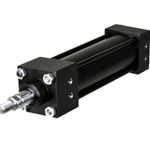
Hydraulic components play a significant role in many operations, particularly in industries that rely on heavy machinery. Items such as hoses, pumps, cylinders, and valves are essential for transferring power and maintaining system efficiency. Electrical components, including wiring, connectors, and control systems, ensure that machines operate safely and reliably.
Lubricants and fluids are another critical category, helping reduce wear and tear while extending the lifespan of equipment. Even seemingly simple items like filters, gaskets, and fittings fall under the umbrella of MRO components, as they contribute to maintaining system integrity and performance.
Types of MRO Components
MRO components can be grouped into several categories based on their function and application. Understanding these categories helps organizations better manage inventory and ensure that critical items are always available when needed.
Maintenance supplies are used for routine upkeep and preventative care. These include lubricants, cleaning agents, and replacement filters that help keep equipment running efficiently. Repair components are used when something breaks or fails, such as replacement bearings, seals, or hydraulic parts.
Operational supplies support the day-to-day functioning of a facility. These might include safety equipment, tools, and consumables required for ongoing operations. Infrastructure components, on the other hand, support the physical environment, including items related to HVAC systems, plumbing, and electrical infrastructure.
Each category plays a unique role, but together they form the backbone of a well-maintained and efficient operation.
Why MRO Components Matter in Industrial Operations
Although they are often overlooked, MRO components are critical to maintaining operational continuity. Without them, even the most advanced machinery would be prone to failure, leading to costly downtime and production delays.
One of the primary benefits of properly managing MRO components is improved equipment reliability. Regular maintenance using high-quality components helps prevent unexpected breakdowns and extends the life of machinery. This not only reduces repair costs but also minimizes disruptions to production schedules.
Safety is another important factor. Worn or faulty components can create hazardous conditions, putting employees and equipment at risk. By ensuring that all systems are properly maintained with reliable MRO components, businesses can create a safer working environment.
Cost control is also closely tied to MRO management. While these components may seem like minor expenses individually, poor inventory management can lead to overstocking, emergency purchases, or extended downtime. A strategic approach to sourcing and maintaining MRO components helps optimize spending while ensuring that critical items are always available.
Supporting Your Operation with the Right Expertise
When it comes to sourcing and maintaining MRO components, experience and technical knowledge make a significant difference. Air & Hydraulic Equipment provides a wide range of solutions designed to support industrial operations across multiple sectors.
With expertise in hydraulics, automation, pneumatics, and vacuum solutions, we help businesses identify the right components for their specific needs. From hydraulic systems and compressed air applications to vacuum technologies used in material handling and manufacturing processes, our team offers both the products and insight needed to keep systems running efficiently.
Reach out to us at Air & Hydraulic Equipment to explore solutions tailored to your facility and keep your operations running at peak efficiency.