
Why Your Pneumatic Cylinders Lose Efficiency (and How to Fix It)
That familiar hiss from your pneumatic system isn’t just annoying. It’s costing you money. Pneumatic cylinder efficiency problems drain compressed air, spike energy costs, and throw production schedules off track. One struggling pneumatic cylinder can cascade into system-wide performance issues.
Since 1971, AHE has watched facilities wrestle with these exact problems. Through our AHE Automation division, we’ve seen how the right approach can turn struggling pneumatic systems into reliable workhorses. The key is understanding what goes wrong and fixing it before small problems become big headaches.
The Root Causes of Pneumatic Cylinder Efficiency Loss
Internal Seal Degradation and Wear
Internal seal failure tops the list of pneumatic cylinder efficiency killers. Worn seals let compressed air slip past the piston instead of driving it forward. You lose force. Cycle times stretch. The cylinder works harder to accomplish less.
This wear happens gradually. Temperature swings stress the seals. Chemical exposure breaks down seal materials. Normal operation creates friction that slowly wears away the sealing surfaces. Use the wrong seal material for your application, and the degradation accelerates.
External Leakage Points
External leaks are energy thieves. They waste compressed air efficiency and rob system pressure. Your compressor runs overtime trying to keep up. Common culprits include worn rod seals, loose port connections, and aging tube fittings.
Machine vibration loosens connections over time. Thermal cycling expands and contracts fittings until they leak. Poor installation practices create weak points that fail under normal operating pressure. Sometimes it’s as simple as using the wrong fitting for the job.
Contamination and Air Quality Issues
Dirty air kills pneumatic cylinders. Oil from upstream compressors swells seals or makes them brittle. Dirt particles act like sandpaper on internal surfaces. Water causes rust and can freeze solid in cold environments.
Your air preparation system is supposed to catch these contaminants. But filters get clogged, drains get ignored, and maintenance gets deferred. The contamination builds up slowly until your cylinders start struggling.
Improper Sizing and Application Mismatches
Undersized cylinders work too hard and wear out fast. Oversized cylinders waste air and provide poor control. Both scenarios cost you efficiency and money.
A cylinder designed for occasional use won’t last long in a high-frequency application. A precision cylinder forced into heavy-duty service will fail prematurely. Match the cylinder to the job, or pay the price in maintenance and downtime.
Identifying Efficiency Problems Before They Escalate
Visual and Auditory Inspection Techniques
Your eyes and ears are powerful diagnostic tools. Look for oil buildup around seals. Listen for air leaks. Watch for scored rods or loose mountings. These signs point to developing problems before they shut you down.
Track your cycle times. A cylinder that used to extend in two seconds but now takes three has internal efficiency problems. The math is simple: longer cycles mean lost productivity.
Performance Monitoring with Modern Controls
Modern PLC and HMI systems turn your pneumatic equipment into data sources. Pressure sensors detect internal leakage. Flow meters spot consumption changes that signal wear. Position feedback shows when cylinders struggle to reach their targets.
AHE Automation’s integration expertise helps facilities add these monitoring capabilities to existing control systems. Real-time data enables predictive maintenance strategies that catch problems early.
Proven Solutions for Restoring Peak Performance
Seal Replacement and Upgrade Strategies
High-performance seal materials outlast standard options. Polyurethane seals resist wear better than basic rubber. Specialized compounds handle chemical exposure that destroys conventional seals. The upfront cost pays dividends in extended service life.
Cylinder seal replacement requires attention to detail. Proper installation techniques prevent premature failure. Compatibility verification ensures the new seals work with your system fluids and operating conditions.
Air Preparation System Optimization
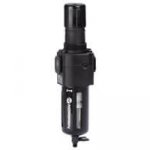
Clean, dry, properly conditioned air extends cylinder life and maintains efficiency. Multi-stage filtration removes oil and particles. Pressure regulation provides consistent operating conditions. Controlled lubrication delivers the right amount of compatible lubricant when needed.
Regular maintenance keeps air preparation systems effective. Replace filters on schedule. Operate drain valves properly. Calibrate pressure regulators to maintain setpoints. These simple tasks protect your downstream equipment.
System Design Improvements
Proper mounting prevents side loading that wears seals prematurely. Shock absorbers protect cylinders from impact damage during high-speed operations. Speed control valves smooth out cycle times while reducing stress on components.
Modern automation integration enables precise control over pneumatic operations. Servo-pneumatic systems combine compressed air power with electronic precision. The result is better performance with less waste.
Preventive Maintenance for Long-term Efficiency
Scheduled Maintenance Protocols
Maintenance schedules based on actual operating conditions prevent efficiency loss before it starts. Regular seal replacement, lubrication system service, and air cylinder maintenance keep performance consistent.
Document everything. Track maintenance activities and performance measurements. This data helps you refine maintenance intervals and spot recurring problems before they become chronic issues.
Predictive Maintenance Using Modern Sensors
Sensor-based monitoring tracks performance continuously. Pressure sensors detect internal leakage before it becomes obvious. Flow meters monitor air consumption patterns that indicate developing problems.
Integration with existing automation systems allows predictive maintenance data to trigger work orders automatically. Fix problems on your schedule instead of reacting to failures.
System Upgrades That Make Sense
ROI Analysis for Pneumatic System Modernization
Energy savings from improved efficiency often justify system upgrades quickly. Factor in reduced maintenance costs, better reliability, and increased productivity. The numbers usually support modernization within reasonable payback periods.
Sometimes hydraulic cylinders or hydraulic power units make more sense than pneumatic systems for specific applications. Hybrid solutions combining pneumatic and hydraulic technologies optimize performance where pure pneumatic systems struggle.
Integration with Complete Automation Solutions
AHE Automation’s expertise spans PLC/HMI controls, robotics, and vision systems. This comprehensive capability enables automation solutions that optimize pneumatic cylinder performance through precise control and real-time monitoring.
Modern automation platforms support both traditional pneumatic components and advanced servo-pneumatic systems. You can migrate to higher-efficiency solutions gradually while protecting existing investments.
Frequently Asked Questions
How do I know if my pneumatic cylinders are losing efficiency?
Watch for slower cycle times, increased air consumption, unusual noises, or visible leaks. Performance monitoring systems detect efficiency loss before it becomes obvious to operators.
What’s the most common cause of pneumatic cylinder efficiency loss?
Internal seal degradation. Worn seals allow compressed air to bypass the piston instead of driving it forward. Force output drops and cycle times increase.
How often should pneumatic cylinder seals be replaced?
Operating conditions determine replacement frequency, but typical industrial applications need seal replacement every 1-3 years. Use performance data to establish optimal schedules for your specific equipment.
Can contaminated air really affect pneumatic cylinder efficiency?
Absolutely. Contaminated air accelerates seal wear, damages internal components, and reduces overall system efficiency. Proper air preparation is essential for optimal performance.
Should I consider upgrading my pneumatic system?
Consider upgrades if maintenance costs exceed 15-20% of replacement cost annually, or if energy savings and productivity improvements justify investment within 2-3 years.
Getting Your Systems Back on Track
Pneumatic cylinder efficiency loss follows predictable patterns. Seal wear, contamination, sizing problems, and design issues all respond to systematic solutions. Address these root causes and your systems will deliver reliable performance for years.
AHE’s evolution from traditional industrial supply to comprehensive automation solutions gives us unique insight into both fluid power fundamentals and modern automation technologies. We bridge the gap between time-tested approaches and cutting-edge solutions.
Whether you need immediate pneumatic cylinder troubleshooting support, comprehensive system upgrades, or integration with modern automation platforms, AHE’s team can help optimize your systems for maximum efficiency and reliability.
Ready to Optimize Your Pneumatic Systems?
Don’t let inefficient pneumatic cylinders drain your productivity and increase operating costs. Contact AHE today to discuss how our comprehensive industrial supply and automation expertise can restore peak performance to your systems. Our specialists will work with you to identify efficiency problems and implement proven solutions tailored to your specific applications.
Contact AHE today to schedule a consultation and discover how our industrial experience can help optimize your pneumatic systems for maximum efficiency and reliability.